




PMRE 2026: Vince Collura's Zero to $1M Playbook21787
Pages:
1
 Owner, Managing Editor and Publisher of WGAN Forum and WGAN-TV Podcast Fairfield, California |
TomSparks private msg quote post Address this user | |
| Key takeaways - Vince Collura's new company, The Collective, passed a million-dollar annual pace inside its first year, with four people in operations and 45 contract photographers. - Price for value and hold it: The Collective launched a little above market and never came down. Average order value rose 36% from the winter low. - New products, not discounts: an exterior-only shoot ($150 to $200) for private listings, where 8 of 10 come back for a full package, usually within 60 days. - AI video from the photos: "Imagery in Motion" went from $79 to $149, and listings that add it average $594 against $373 without. - Automate everything except the edit, the front line and quality: an AI agent named Sam drafts upsells (28% convert), while Vince still checks every photograph. - "When you're a vendor, you're a convenience play. When you're a partner, you're part of the plan." --- Vince Collura has run real estate photography from both sides of consolidation. He built Gotham Photo Company, sold it to VHT Studios, helped grow VHT from $6.5 million to $23 million as chief operating officer, and stayed on after Matterport bought VHT, until the Monday morning call telling him his "position has been affected." His PMRE 2026 main-stage talk, Zero to $1M, is about what he built next: The Collective, which crossed a million-dollar annual pace in its first year. "I am hoping that the million is the least interesting part of the conversation, because it's really about a decision." 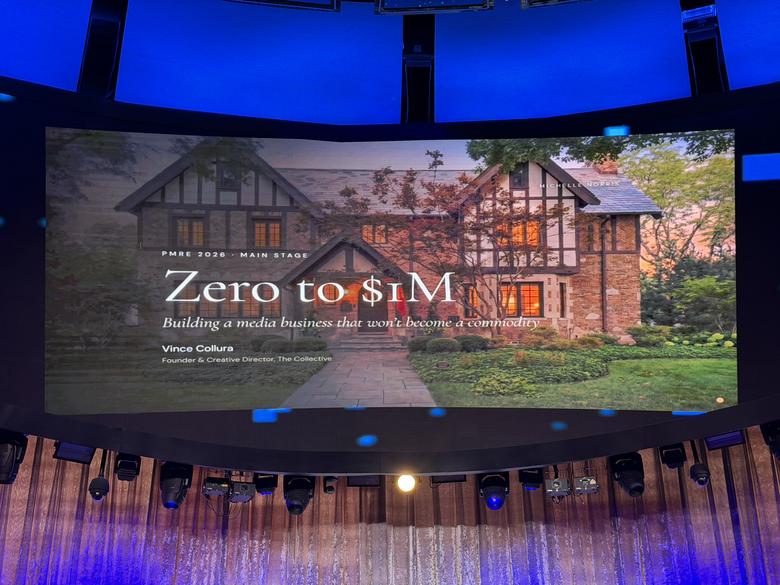 Zero to $1M: Vince Collura, The Collective. From Gotham to VHT to Matterport At VHT, he said, "we won over a thousand photographers" and shot about 100,000 homes a year. Consolidation isn't the villain, he told the room: "Consolidations by companies who see photography and photographers as a means to an end, that's where we've got the problem." When VHT shut down, the first call the next morning was from Mark, VHT's top photographer: "So, what are we doing?" Twelve photographers signed on before there was a name, a website or a single client. 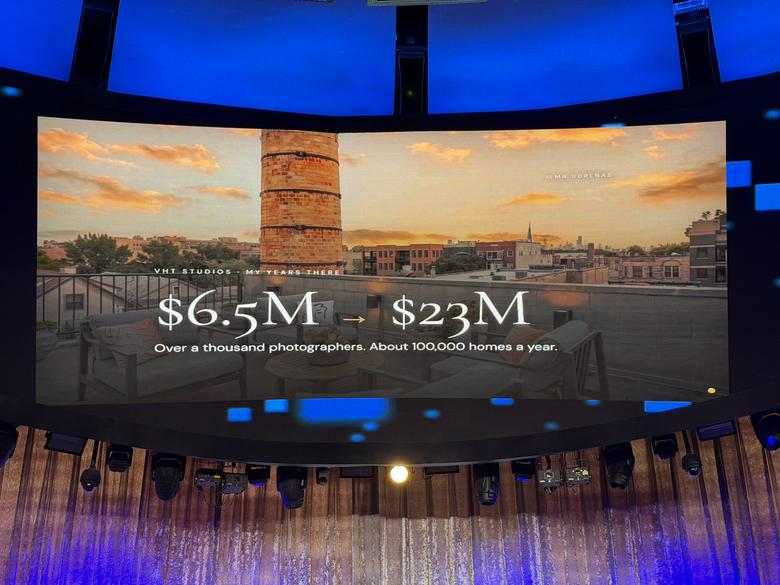 VHT Studios: $6.5M to $23M. Vendor or partner The decision he means is made in small pieces. Meet Joe: a good photographer charging $300 a shoot. A competitor comes in at $250, Joe matches. Someone comes in at $200, Joe matches again. Then same-day booking, free twilights, free staging, a 10% volume deal for the team lead, a managing broker naming a $99 price. "Every one of these little widgets, quick wins, helps us this month, but it costs us for the next ten years." Joe isn't becoming a viable business, Vince said. "He's becoming a vendor." 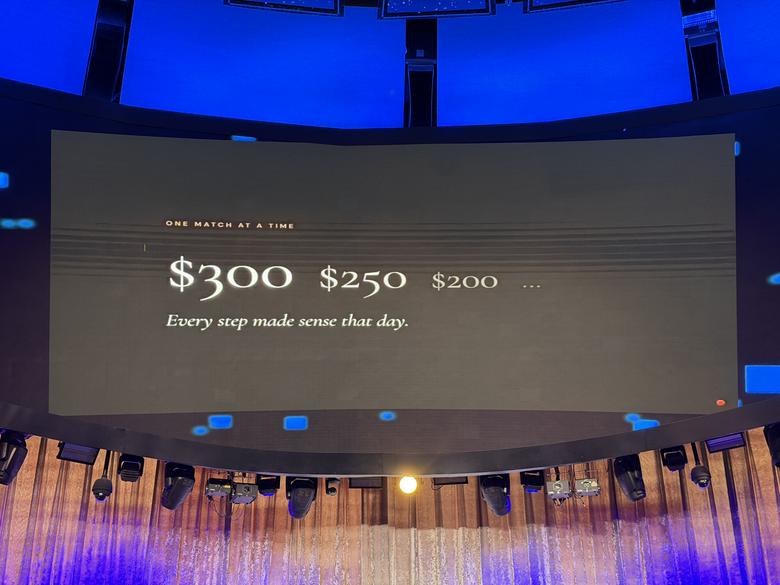 $300, $250, $200: every step made sense that day. The difference shows in who gets planned around. Agents plan around the stager, the cleaner and the homeowner's family in town, and squeeze the photographer in. "Exclusives don't fall out of the sky." His line for the notebook: "When you're a vendor, you're a convenience play. When you're a partner, you're part of the plan." Partners don't bring a menu; they ask what the client is trying to accomplish and lead from there. Five decisions 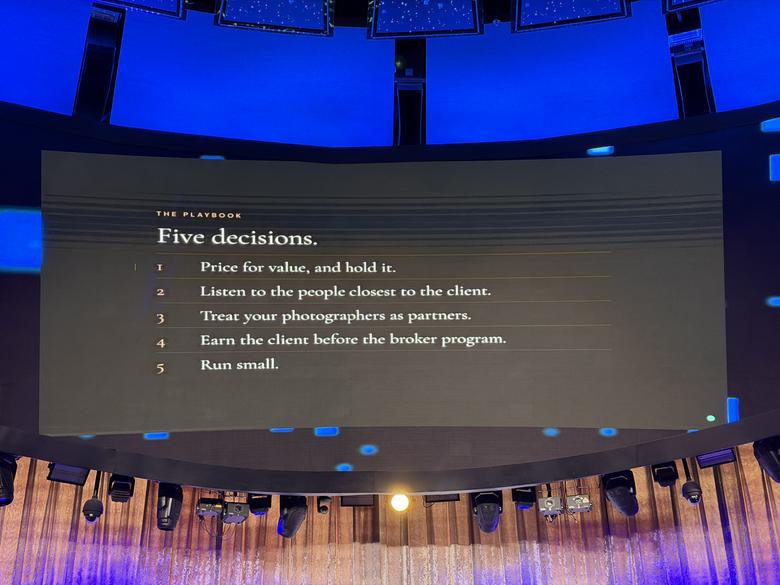 The playbook: five decisions. 1. Price for value, and hold it. The Collective launched a little above market rate "and we never came down." Average order value climbed from $319 in December to $434 in August, up 36%, with the same clients in a tough Chicago market. "A price complaint is not an objection. It's an observation." For agents who want the work but can't pay up front, he offers pay-at-closing through a partner instead of a discount. 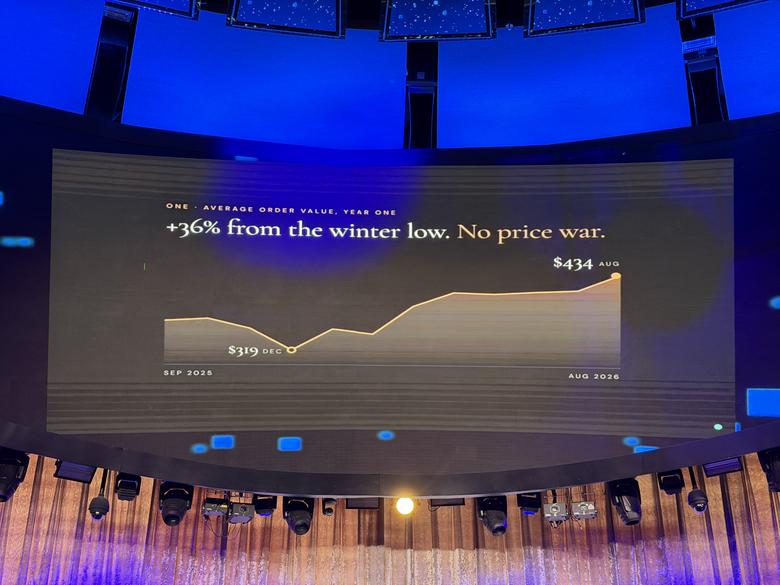 +36% from the winter low. No price war. 2. Listen to the people closest to the client. Mark and other photographers noticed Chicago agents doing a lot of private listings, where sellers don't want a full shoot yet. So The Collective built an exterior-only package for $150 to $200. It should have pulled the average order down. Instead, 8 out of 10 of those shoots convert to a full package, usually within 60 days. "It wasn't a discount. It was a new product for a real need." 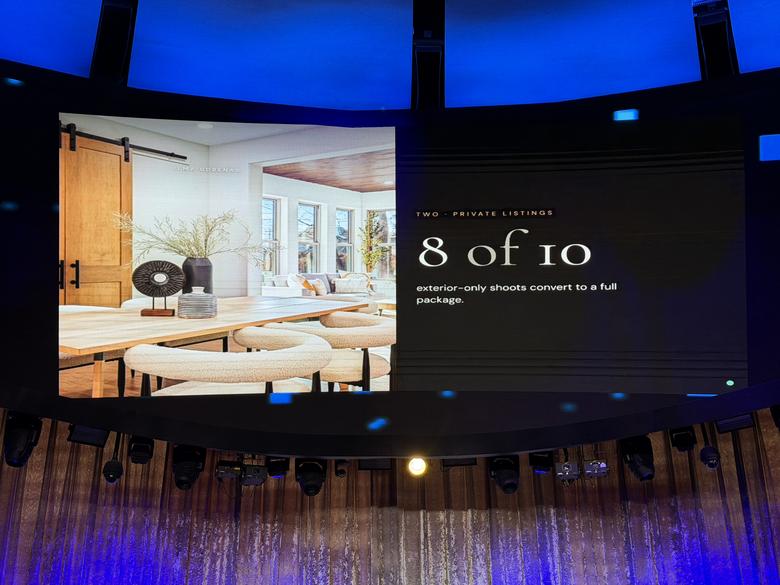 8 of 10 exterior-only shoots convert to a full package. 3. Treat your photographers as partners. Every photographer he onboards, now 45, sees the full unit economics: what the client pays, what goes to editing and the platform, what they're paid. "Full transparency, whether you work with one contractor or fifty." It isn't a democracy, he tells them, but they'll understand every decision, even the ones they don't like. 4. Earn the client before the broker program. Fifteen months in, he hasn't pitched a brokerage. "We won one agent at a time, and so the programs came to us": agents brought The Collective to their managing brokers. Even when the brokerage pays, "the agent is still the decision maker." 5. Run small. One platform, a lot of automation, four people in operations and 45 photographers: "That's the whole company." AI video that sells more photography His AI video product, Imagery in Motion, turns The Collective's own photographs into video, so "our video output looks like our photography output," with no extra time on site. It launched at $79, rose to $99 and sells for $149 today, and it sells more photography: photographers shoot extra compositions for it. Listings that add it average $594; those without average $373. In the Q&A he said he no longer offers traditional video at all: "I'm all in on AI video." 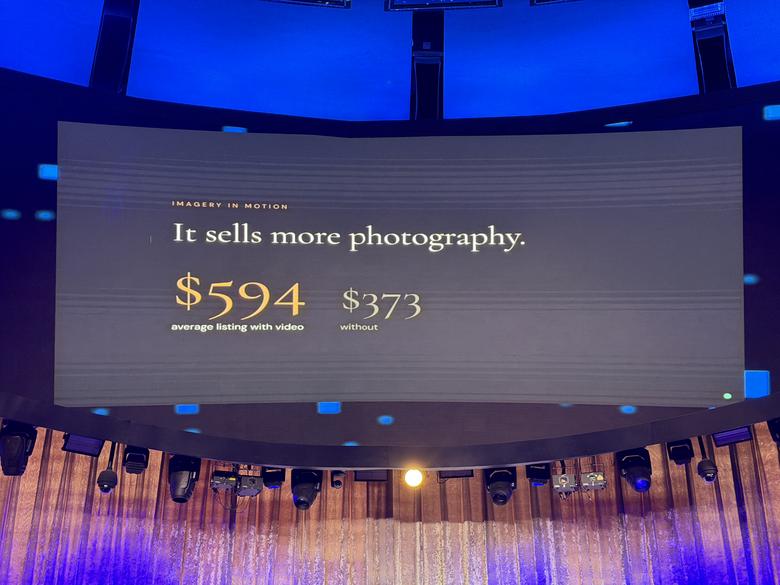 Imagery in Motion: $594 with video, $373 without. Automate the rest, but not the craft "I'm not anti-AI at all. I automate everything I can." Sam, The Collective's AI agent, does virtual twilights, staging, decluttering, object removal and labels every photo by room using the floor plan. After each shoot she looks at the photos, the client's history and the listing, and drafts upsell messages ("this is a nicer listing, it's got some acreage, why don't we cover it with video?"  . Vince approves them; about nine in ten go out, and 28% convert. Clients are told Sam is AI, and one recently praised Sam in a Google review. What the automation buys him is time to look at every photograph himself, every morning. And there are three things he won't hand off yet. The edit: AI editing is "easily 95 percent" as good as his human editors, "but 95 percent good is not better." The front line: editing is offshore, but the person who answers when a listing goes live at 6 PM knows the photographer and the agent by name. And speed for its own sake: deliveries arrive around 2 PM, about three hours before his written commitment, so there's room to fix an edit without the client feeling it's late. The shortcut that didn't work His year-one mistake: $12,500 for six months of lead-generation cold calls offering agents a free first shoot. "The first shoot was the discount. That was Joe's first 10 percent." He pulled out and got his money back. "Ten of the right clients are worth fifty of the mass market clients." 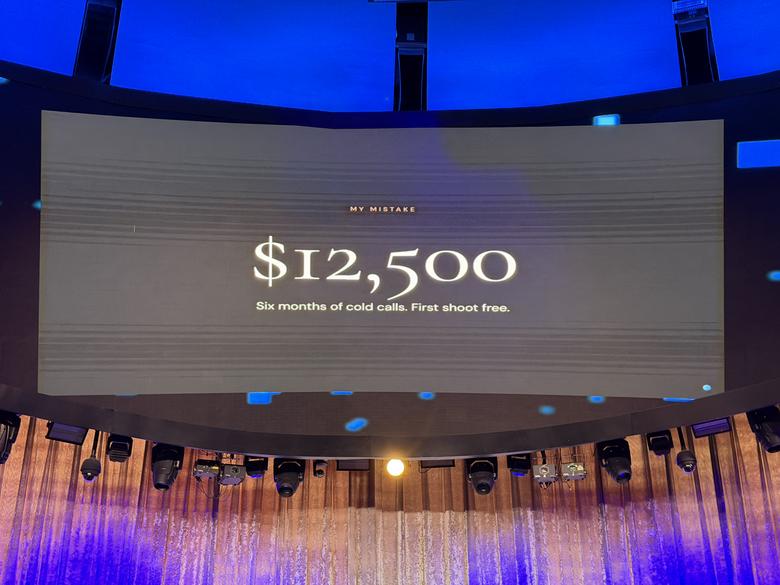 My mistake: $12,500 of cold calls. Don't let the client be the judge He saved his strongest words for "deliver it and see if anyone complains": "Our clients are not the arbiters of good. That's our job." Most of what he sends back in QA is something a client would never notice, and that's the point. The day you stop looking closely at the work, he said, is the day it stops being yours. 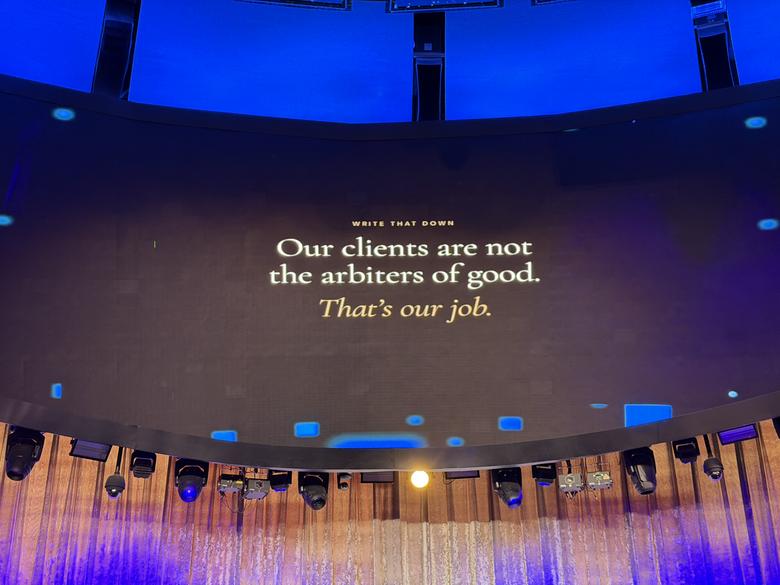 Our clients are not the arbiters of good. That's our job. The Foundry Where his time goes: The Foundry, a 14-week coaching program in peak season for the first seven photographers, one-on-one every week plus group sessions. His lesson from it: "Success is a behavior gap, not a skill gap." Michelle, already a strong photographer, used to direct clients apologetically. Now she directs without apology, and her agents trust her with all their listings, not most, while higher-end agents, designers and stagers have found her. "She's not providing pictures anymore. She's providing direction." 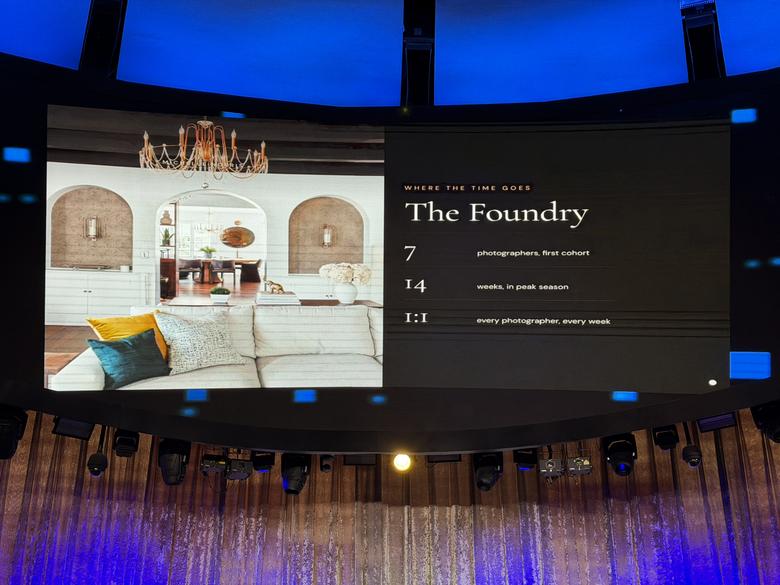 The Foundry: 7 photographers, 14 weeks, 1:1 every week. 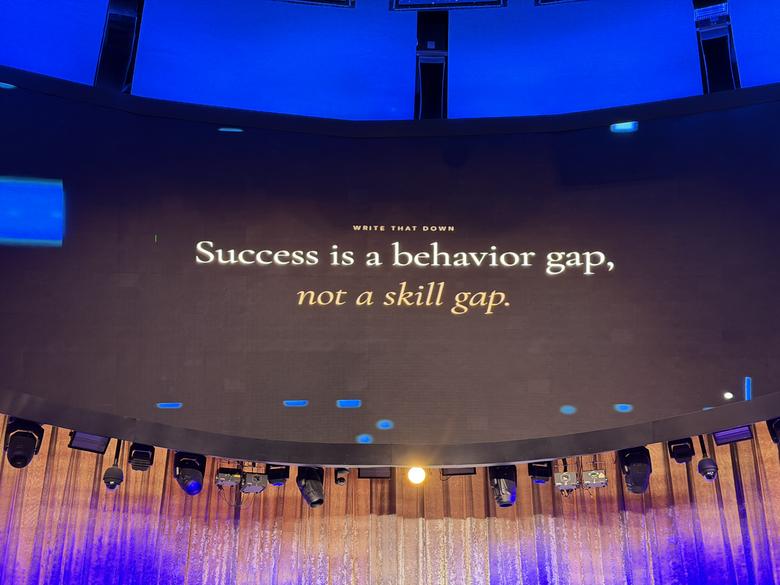 Success is a behavior gap, not a skill gap. Decide who you are He asked the room to finish one sentence aloud: "I am the photographer who…" Then his closing point: at VHT, the big competitors never kept him up at night. Independent photographers did. "I could outspend you, and I could outmarket you, but I couldn't replace you," because clients are loyal to people, not companies. "Decide who you are, and then own the craft." 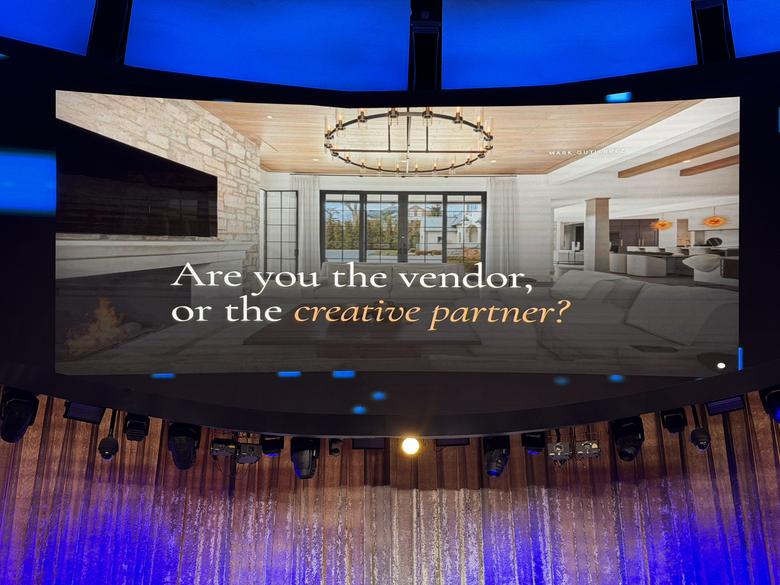 Are you the vendor, or the creative partner? Q&A In the Q&A: Sam runs on OpenClaw on his own server, with Claude as the interface and Google's Gemini doing the image work; starting today, he'd simply begin with Claude and ask the AI how to do each job. Clients haven't pushed back on talking to an AI, because Sam is simple, says she's AI and hands off to a person. Asked what happens if he can't do QA for a few weeks, he said a longtime staffer, a retired photographer, has been doing QA alongside him, and is "a harsher critic than me." He closed with a request: a short survey on the top three issues facing real estate photographers, for a group working to give photographers a seat at the table. Link from the slides (QR code) - Vince's survey: the top three issues facing real estate photographers (QR code on the last slide): https://docs.google.com/forms/d/e/1FAIpQLSeM0n0vLZa-jASrEZhsfXZvF43XgulgQcIXbW4IJybHYtdYOQ/viewform --- Speaker: Vince Collura, Founder and Creative Director, The Collective Session: Zero to $1M: Building a media business that won't become a commodity Event: PMRE 2026 main stage, November 18, 2026 Figures as presented on stage. Slide photos are credited on the slides to The Collective's photographers (Michelle Norris, Ilma Udrenas, Mark Gutierrez). |
||
| Post 1 • IP flag post | ||
Pages:
1